Root Canal Therapy in Raleigh, NC 27612
Relieve tooth pain and save your natural tooth
If your tooth is badly decayed, cracked or infected, a root canal can stop the pain and help you keep your natural tooth instead of having it pulled. At Smileplicity Dentistry on Creedmoor Road in Raleigh, NC 27612, Dr. Atari always tries to save a damaged tooth with root canal therapy before suggesting an extraction. We offer same-day appointments for tooth pain, with gentle care and sedation options for nervous patients. We welcome patients from Northwest and North Raleigh, including the Crabtree Valley, Glenwood Avenue and Lead Mine Road areas.
Endodontic Treatment in Raleigh
If you have a tooth that is inflamed or has been badly damaged by decay, endodontic surgery from Smileplicity Dentistry in Raleigh can help save your tooth. Though there are many different kinds of endodontic treatments, the most common are root canals. If you have a damaged, painful tooth, Dr. Atari will always try to save it with endodontic therapy before suggesting an extraction.
Signs You May Need a Root Canal
Call us if you notice:
- A tooth that hurts when you chew or press on it
- Sensitivity to hot or cold that lingers after the drink or food is gone
- A severe, throbbing toothache, especially one that wakes you at night (tooth nerve pain)
- A tooth that is turning gray or darker
- Swelling or tenderness in the gums near the tooth
- A small bump or pimple on the gum that may leak fluid
- A cracked or deeply decayed tooth
Sometimes an infected tooth does not hurt at all, so a dental exam and X-rays are the only way to know for sure.
Painful Decay?
Benefits of Endodontic Therapy:
- Protect damaged teeth from further decay
- Avoid pain and sensitivity caused by infected teeth
- Repair the structure of your natural tooth
- Save your tooth before decay causes it to fall out
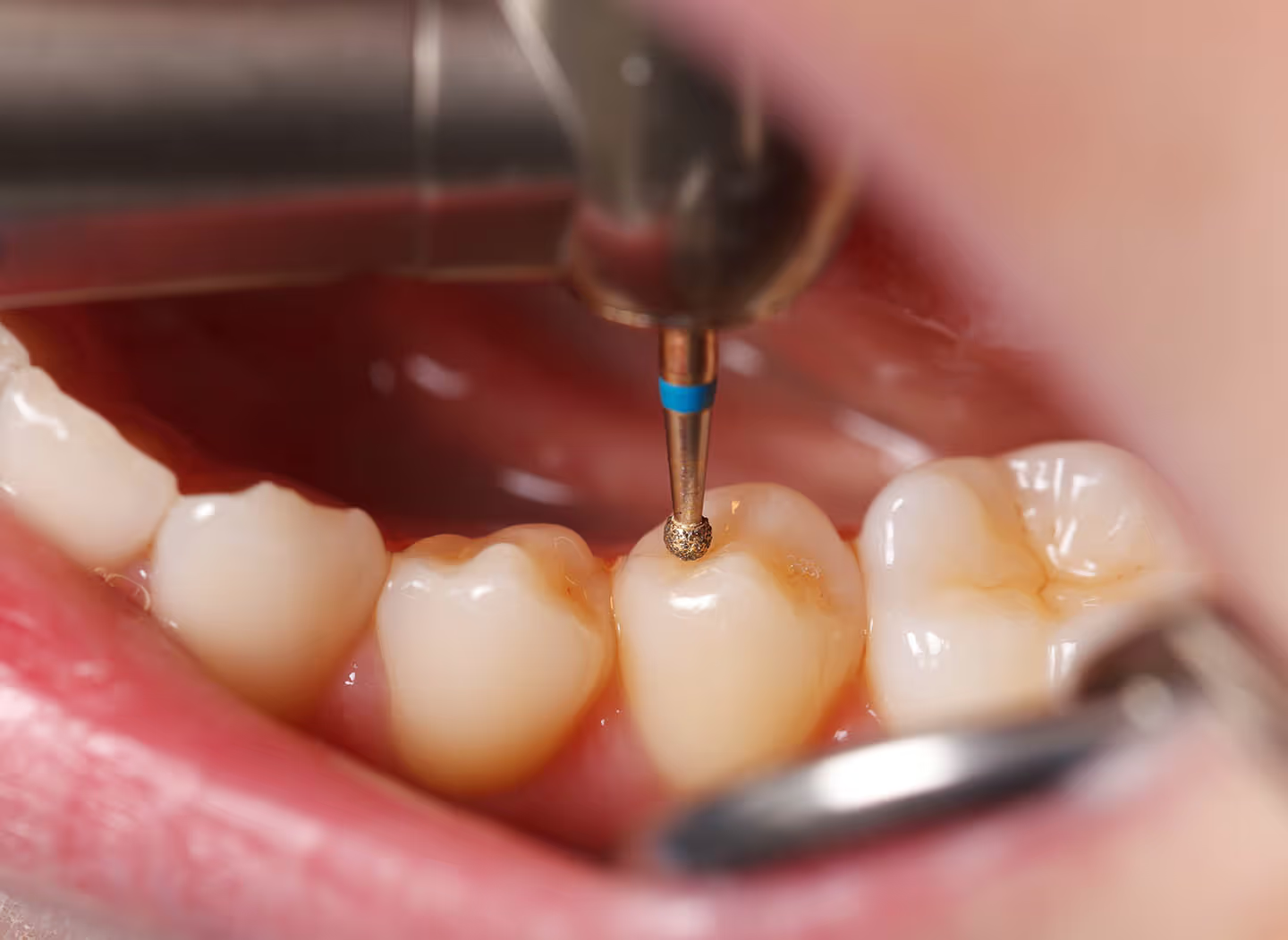
Root Canal vs. Tooth Extraction
| Root canal | Extraction |
|---|---|---|
Keeps your natural tooth? | Yes | No |
Protects your jawbone and neighboring teeth? | Yes | Not unless the tooth is replaced |
Relieves the pain and infection? | Yes | Yes |
Replacement needed? | Usually a crown | Often an implant, bridge or denture |
Typical total cost | Often lower over time | Can be higher once a replacement is added |
Benefits of saving your tooth: you keep your natural bite, avoid the cost of replacing a missing tooth, and protect the surrounding teeth. If a tooth cannot be saved, we will explain why and discuss extractions and tooth replacement with dental implants.
Infected or Abscessed Tooth: Do Not Wait
An infection in the tooth can spread to the jawbone and surrounding tissue and form an abscess, a pocket of pus. Antibiotics alone do not fix the source, because the infection lives inside the tooth. The tooth needs treatment, either a root canal to save it or an extraction if it cannot be saved.
Go to an emergency room or call 911 if you have swelling spreading across your face, jaw or neck, a fever along with tooth pain, or trouble breathing or swallowing. For severe tooth pain without those signs, call us for a same-day appointment. See our emergency dentistry page for more.
The Root Canal Treatment Process
1. Exam and X-rays
Dr. Atari examines the tooth and takes X-rays to see the extent of the damage. You can see the tools we use on our dental technology page.
2. Numbing
The area is numbed with local anesthetic so you stay comfortable.
3. Access and cleaning
A small opening is made in the tooth, and the infected pulp is removed. The root canals are cleaned, shaped and disinfected.
4. Filling and sealing
The cleaned canals are filled with a rubber-like material called gutta-percha, and the opening is sealed with a filling.
5. Restoration
Most treated teeth, especially back teeth, are protected with a crown.
Root canal therapy typically takes one or two appointments, depending on the tooth and the infection.
Comfortable Root Canal Treatment
The pain people associate with root canals usually comes from the infection, not the treatment. Dr. Atari takes a gentle, judgment-free approach and numbs the area thoroughly, and many patients say the procedure feels similar to getting a filling. If you are nervous, ask about sedation dentistry for your root canal. Once treated, most patients feel relief within a few days.
Root Canals for Molars and Front Teeth
Molars. Back teeth have more roots and canals, so a molar root canal can take longer. These teeth handle heavy chewing forces, so they almost always need a crown afterward.
Front teeth. Front teeth usually have a single canal and are often quicker to treat. Depending on how much of the tooth remains, they may be restored with a filling or a crown, and appearance matters, so we match the color to your smile.
Root Canal and Dental Crown
A root canal removes the infection, but the tooth can be left more brittle. A dental crown caps and protects the tooth, restores its strength and shape, and lets you chew comfortably. Your dentist will tell you whether your tooth needs a crown and when to place it. Learn more about restorative dentistry in Raleigh.
Root Canal Cost in Raleigh
The cost depends on which tooth is treated, how complex it is and whether you need a crown. At our Raleigh office, a root canal typically runs about $700 to $1,500, and a crown is an additional cost. Back teeth cost more than front teeth because they have more canals. We give you a clear estimate before treatment begins.
Many dental insurance plans cover part of root canal therapy, and our team will check your benefits before treatment. If you do not have insurance, ask about our Smile Forever Plan membership and our payment options.
Root Canal Recovery and Aftercare
- Wait until the numbness wears off before eating, so you do not bite your cheek or tongue.
- Start with soft foods such as yogurt, mashed potatoes or smoothies, and chew on the opposite side until the tooth is restored.
- Mild soreness for a few days is normal and can be managed with over-the-counter pain relievers as directed by your dentist.
- Brush and floss normally, and keep your follow-up appointment for the crown.
- Call us if you have severe pain, swelling or a fever.
Most patients are back to normal activities within a day or two.
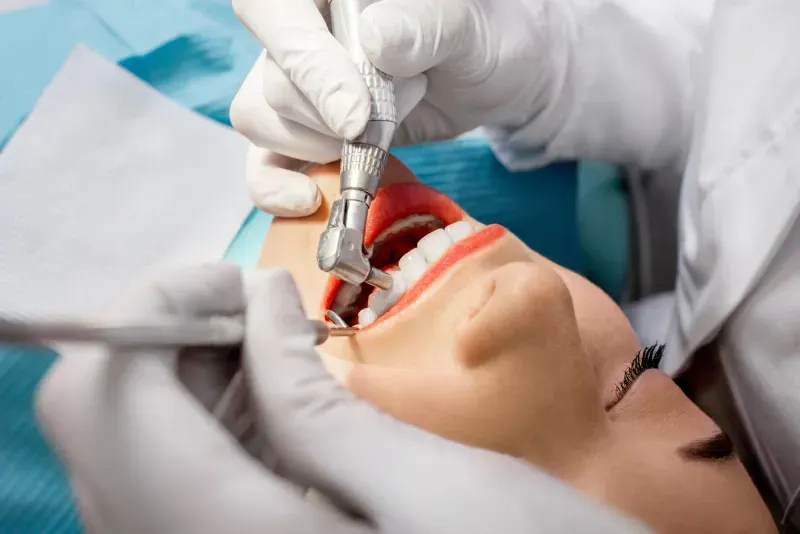
Why Choose Smileplicity Dentistry for Root Canal Therapy in Raleigh, NC 27612?
- Gentle, judgment-free care. We go at your pace and explain every step.
- We try to save your tooth first. Dr. Atari always considers a root canal before an extraction.
- Same-day appointments for tooth pain. Call when pain cannot wait.
- Comfort options. Sedation is available for anxious patients.
- Clear costs before treatment. You know what to expect before we begin.
- A dentist you can trust. Learn more about Dr. Atari and our family dentistry services.
Your Root Canal Dentist on Creedmoor Road in Raleigh
We are at 5816 Creedmoor Road, Suite 105, Raleigh, NC 27612, serving patients from Northwest Raleigh, North Raleigh, Crabtree Valley, and the Glenwood Avenue and Lead Mine Road areas.
Hours: Monday 8am to 5pm · Tuesday 8am to 5pm · Wednesday 9am to 6pm · Thursday 9am to 5pm · Friday 9am to 3pm

Common Questions
Root Canal Therapy FAQs in Raleigh, NC 27612
When is a root canal necessary?
A root canal is needed when the pulp inside a tooth is infected or inflamed, usually from deep decay, a crack or an injury. Signs include pain when chewing, lingering sensitivity to hot or cold, a gray tooth, and swelling in the gums. If it is untreated, the infection can spread and the tooth may be lost, so call us for an evaluation.
What are the signs I need a root canal?
The most common signs are a throbbing toothache, pain when biting or pressing on the tooth, lingering hot and cold sensitivity, a darkening tooth, and a bump or swelling on the gum. Some infected teeth cause no pain, so only an exam and X-rays can confirm the problem.
What happens during root canal therapy?
Your dentist numbs the area, removes the infected pulp through a small opening, cleans and disinfects the canals, and fills and seals them. The tooth is then restored, usually with a crown. Treatment typically takes one or two appointments.
How long is root canal recovery?
Most patients return to normal activities within a day or two. Mild soreness or sensitivity for a few days is normal and can usually be managed with over-the-counter pain relievers as directed. Call us if pain is severe or gets worse.
Can You Eat After a Root Canal?
Yes, but wait until the numbness wears off. Then choose soft foods, such as yogurt, mashed potatoes or smoothies, and chew on the opposite side. Avoid hard, crunchy or sticky foods until the tooth has its permanent restoration.
What Is Root Canal Therapy?
Root canal therapy is a dental procedure aimed at treating infection or damage within the pulp of a tooth. The pulp is the innermost part of the tooth, containing nerves and blood vessels, and when it becomes infected or inflamed, it can cause significant pain and discomfort. During a root canal, Dr. Daiana Atari will carefully remove the infected pulp, clean and disinfect the inside of the tooth, and then fill and seal it to prevent further infection. This procedure not only alleviates pain but also saves the tooth from extraction, allowing you to maintain your natural smile. At Smileplicity Dentistry, our team is dedicated to providing gentle and effective root canal therapy to patients in Raleigh and surrounding areas, ensuring a positive and stress-free experience.
What Is the Root Canal Treatment Process?
Understanding the root canal treatment process can help alleviate any anxiety you might have about the procedure. The process typically begins with a thorough examination and X-rays to assess the condition of the tooth. Once Dr. Daiana Atari confirms that a root canal is necessary, she will administer local anesthesia to ensure you are comfortable throughout the procedure. Next, a small opening is made in the tooth to access the infected pulp. The pulp is carefully removed, and the inside of the tooth is cleaned and disinfected. After the cleaning, the tooth is filled with a biocompatible material and sealed to prevent future infections. In most cases, a crown is placed on the tooth to restore its strength and function. The entire process is designed to be as efficient and comfortable as possible, with the aim of preserving your natural tooth and alleviating any pain. At Smileplicity Dentistry, we prioritize patient comfort and satisfaction, providing top-notch care to the Raleigh community.
How much does a root canal cost in Raleigh?
At our office, a root canal typically runs about $700 to $1,500, depending on the tooth, and a crown is an additional cost. We explain the cost before treatment begins and can help you with insurance and payment options.
Does a root canal hurt?
The area is numbed, and many patients say the procedure feels similar to getting a filling. The pain people associate with root canals usually comes from the infection beforehand. Sedation options are available if you are anxious, and mild soreness afterward is normal.
Does dental insurance cover root canal therapy?
Many plans cover part of root canal therapy, though coverage and limits vary. Our team will check your benefits before treatment. If you do not have insurance, ask about our Smile Forever Plan membership.
Is it better to get a root canal or pull the tooth?
In most cases, saving your natural tooth with a root canal is the better option because it protects your bite, your jawbone and your neighboring teeth, and avoids the cost of replacing the tooth. If a tooth cannot be saved, Dr. Atari will explain why and discuss extraction and replacement.
Can I get a same-day root canal?
We offer same-day appointments for tooth pain and dental emergencies so you are not stuck waiting in pain. Whether your root canal can be completed that day depends on the tooth and the infection, and we will explain the plan at your visit.
Ready for a more streamlined dental experience?
“Simplicity does not precede complexity, but follows it.”
– Alan Perlis